

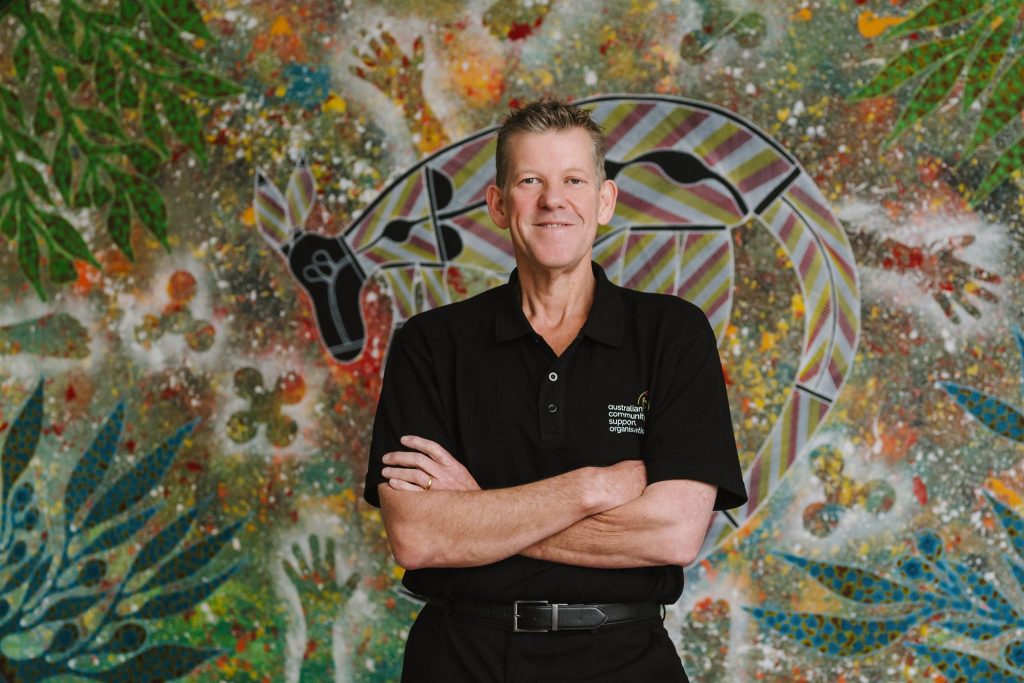
ACSO welcomes targeted investments in mental health, community safety and forensic disability services in the Victorian State Budget, while noting that demand for these services is rising and becoming increasingly complex.
ACSO CEO Vaughan Winther welcomed the continuation of several critical programs, particularly those supporting people with the most complex needs across mental health, justice and disability systems.
“In a difficult financial environment, we are pleased to see the Victorian Government continue to support programs that respond to the needs of Victorians experiencing the greatest complexity,” Mr Winther said.
“However, we are also clear that current funding levels are not meeting either existing demand or the growing pressures we expect into the future.”
Mental Health and Wellbeing
The Budget confirms a 12-month extension of funding for the Youth Outreach and Recovery Service (YORS), Victoria’s only statewide outreach service for young people aged 16–25 with complex mental health challenges. YORS provides early, flexible and practical support to help young people stabilise their mental health, maintain housing, build daily living skills and reconnect with education, training, employment and community life.
Funding was also confirmed for the continued operation of Partners in Wellbeing, which provides free, accessible and community‑based mental health support.
“Services like YORS and Partners in Wellbeing play a critical role in preventing escalation and reducing pressure on acute systems,” Mr Winther said.
“They work because they are flexible, local and designed around people’s real lives.”
Alcohol and Other Drug (AOD) Services
The Victorian State Budget confirms continued investment in community-based AOD services, supporting harm reduction, treatment and recovery for people experiencing substance use challenges. This includes ongoing funding for initiatives such as take-home naloxone, efforts to address pharmacotherapy service gaps, specialist court-based responses, and integrated mental health and addiction support. These investments recognise the role of AOD services in improving individual wellbeing, reducing harm and supporting broader community safety outcomes.
“Effective alcohol and other drug services are a critical part of a whole‑of‑system response to complexity,” Mr Winther said. “They support people earlier, reduce avoidable contact with acute health and justice systems, and help create safer, healthier communities.”
Community Safety and Justice
ACSO recognises the Victorian Government’s strong focus on community safety and investment in policing and the justice system, including funding for the Violence Reduction Unit (VRU).
“We recognise the community concern about safety and welcome the Government’s commitment to early intervention approaches like the Violence Reduction Unit,” Mr Winther said.
“The VRU’s health‑based focus aligns with the evidence, as stopping harm before it occurs requires addressing trauma, exclusion and unmet need, not just enforcement.”
ACSO looks forward to working with government partners to continue delivering evidence-based programs that reduce reoffending and improve community safety over the long term.
Forensic Disability and Complexity of Need
While welcoming continued investment across disability and justice portfolios, ACSO noted that clarity is still required for several niche forensic disability and intersectional services, particularly where clients fall between systems.
“We continue to see a significant funding disconnect between the NDIS and state justice responses, which does not reflect the complexity of real‑world need,” Mr Winther said.
“Without coordinated, long‑term funding, people with disability and justice involvement are left without the tailored supports that keep them and the community safe.”
Growing Demand Requires Long-Term Solutions
Rising cost-of–living pressures, housing stress and strain across service systems are driving rapid growth in client complexity, requiring sustained, cross-sector responses.
“We are seeing more people with overlapping mental health, justice, disability and housing needs,” Mr Winther said.
“Short-term funding extensions are welcome, but they do not provide the certainty required to meet this level of need. Long-term, properly funded and coordinated responses are essential.”
ACSO will continue to work closely with government as Budget measures are implemented and will advocate alongside partners for the people and communities we support.
For media queries, please contact media@acso.org.au