

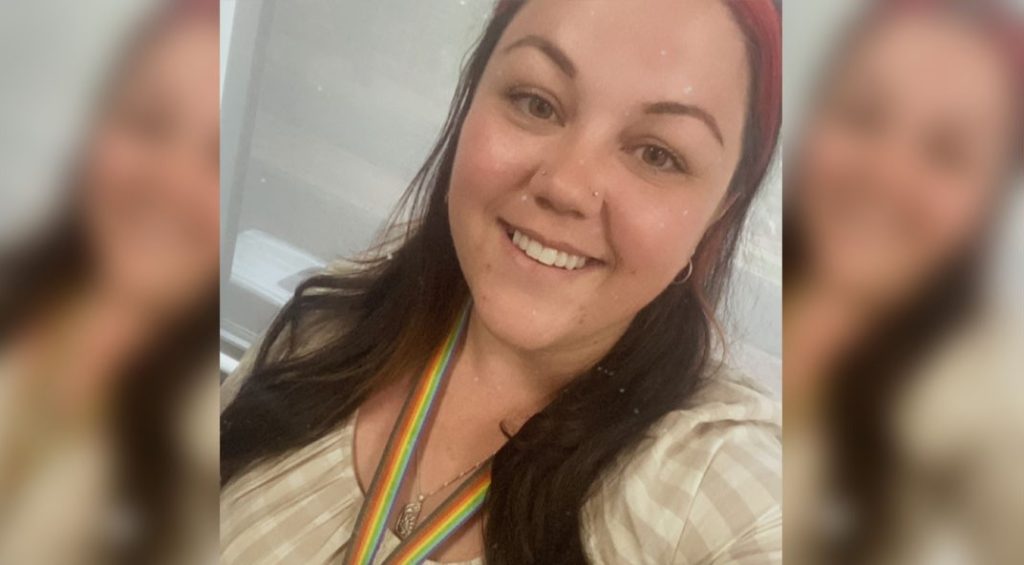
For Transgender Awareness Week this year, we talk to Grace (she/her), who has years of experience working with transgender and gender-diverse youth through the Youth Residential Recovery (YRR) and Youth Outreach Recovery Support (YORS) programs. Grace worked in YRR for close to five years, before becoming a Youth Psychosocial Recovery Worker for YORS in 2023.
When asked for tips on how to best support transgender and gender-diverse youth, Grace says there’s no special tips or secret strategies – it’s simply empathy, respect, and listening.
“Remember that every person is different. Every story is treated differently. And I think it comes down to how that person wants me to treat them, and how they want me to identify them. I want to make sure I support them in the way that they want to be supported, and how they deserve to be supported.”
Grace says when she first started working with young transgender people, she thought she knew quite a lot, but says most of that ‘knowledge’ she had went straight out of the window – it was either wrong or not applicable, because it hadn’t come from those with lived experience.
She says the best thing to do is educate yourself on trans and gender-diverse issues and lived experiences, and the best way to do this is simply by listening to members of the TGD community. Practise active listening – and remember that it’s perfectly okay to ask questions.
Talking about and sharing pronouns is something Grace thinks is helpful, particularly if it becomes the norm. She says that she will always introduce herself with pronouns, so that if a client is transgender or gender-diverse, they know that gender identity is something that she knows about, and that she is an ally or a safe person to discuss their own pronouns or gender with.
“Sharing my own pronouns allows someone to have the opportunity to raise [their gender identity] with me, if they feel comfortable enough to. Someone might have been misgendered their entire life and so might not have ever had the confidence or safe space to do it, to actually be identified correctly – and you can give them that space.”
Grace encourages everyone who works with transgender and gender-diverse people to do their research and keep up to date on TGD issues and services, so they have knowledge, resources and connections to specialised support services ready to go when they begin working with a client who needs it.
That way, the specific support you can provide to clients who are transgender or gender-diverse isn’t an afterthought, it’s built into the very fabric of what you do.
“I think that’s my best advice: stand up and be inclusive. And let people talk and actively listen to them; let them tell their story.”
To learn more about working with transgender and gender-diverse clients, check out some of the resources below.
Lived experience stories
The long and storied history of transgender people in Australia and beyond – ABC News
Transgender stories: ‘People think we wake up and decide to be trans’ – The Guardian
Services and Peer Groups
You can learn more about the LGBTQIA+ and the transgender and gender-diverse communities through organisations such as Minus 18, Transcend, Rainbow Health Australia, and QLife.


